Source Portable Gasoline Generator for Home, Camping, and Backup
Find 30 portable gasoline generator models with single or three-phase output, electric start, and various power ratings. Compare specs like flow rate, head height, and engine displacement to select the right unit for residential, camping, or emergency backup needs; compare the available evidence and request quotations based on your requirements.
Key considerations
Products List


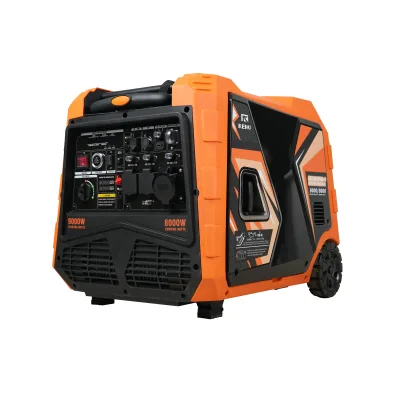


Comprehensive Sourcing Guide
Portable Gasoline Generator Sourcing Guide
Buyers evaluating portable gasoline generators must first distinguish between single-phase and three-phase output requirements, as the observed product range includes both HL6000 single-phase units and HL7000-3 three-phase models. This distinction dictates the compatibility with existing electrical infrastructure, particularly for industrial applications requiring three-phase power versus residential needs for standard single-phase electricity. Understanding this fundamental electrical configuration is the primary step in narrowing the supplier pool to those capable of delivering the specific voltage and phase configuration required for the intended site.
The observed market data indicates a diverse range of power outputs, from 1.5kW to 10kW, with specific models like the HL-B6000-3 and HL-B8000 offering distinct capabilities. Procurement teams should verify the exact kilowatt rating against the peak load of the equipment to be powered, ensuring the generator does not operate at maximum capacity continuously, which can degrade engine life. The presence of models with 12-hour continuous work ratings suggests suitability for extended backup scenarios, but buyers must confirm the specific duty cycle for their chosen unit to prevent premature failure during critical operations.
Product Scope and Observed Listing Signals
The product listings reveal a clear segmentation between compact units and heavier-duty generators, with net weights ranging from 83kg to 90kg for models like the HL7000-3 and HL-S6000. This weight variance often correlates with fuel tank capacity and engine displacement, such as the 420cc and 460cc engines found in the HL420 and HL460 series. Buyers should assess whether the physical dimensions, such as the 715530590mm standard for certain models, fit within the transport constraints of their logistics chain before finalizing a purchase order.
Observations of the packaging indicate that units are typically shipped in strong carton boxes, with some options for color customization and well-packaged configurations to prevent transit damage. The inclusion of spare parts like stators, rotors, and AVRs in the product scope suggests that suppliers anticipate a need for maintenance, yet buyers must clarify if these components are included in the initial shipment or sold separately. Understanding the packing standard is crucial for calculating shipping costs and ensuring the generator arrives in operational condition without requiring immediate repair or part replacement.
Technical Specifications to Verify
Engine performance metrics are critical, with observed specifications including 14HP at 3600RPM for the HL7000-3 and 16HP at 3600RPM for the HL460 series. Buyers must verify that the rated frequency of 50/60Hz matches the local grid standards to ensure stable power delivery, as mismatched frequencies can damage sensitive electronic loads. The displacement capacity, ranging from 420cc to 460cc, directly influences fuel consumption and runtime, requiring a detailed calculation based on the 25L fuel tank volume to estimate operational duration under load.
Fluid dynamics and hydraulic capabilities are also present in the data, with suction lifts up to 8m and maximum heads of 25m for specific pump-integrated models. These specifications indicate that some units in the catalog are designed for water transfer applications rather than pure power generation, necessitating a clear definition of the primary function during the sourcing process. Buyers should confirm whether the generator is a standalone power unit or a combined pump-generator set to avoid purchasing a machine that lacks the necessary hydraulic performance for their specific site requirements.
Compliance and Safety Documentation
Certification status is a non-negotiable aspect of procurement, with observed listings explicitly mentioning CE, Euro V, and EPA compliance for the gasoline generators. These certifications indicate adherence to European emission standards and safety regulations, which are often mandatory for importing equipment into the European Union and other regulated markets. Buyers must request valid test reports and certificates of conformity for each batch to ensure that the specific units delivered match the certified specifications, as compliance is often tied to the engine model and manufacturing batch rather than the entire product line.
Safety documentation must also cover the electrical output ratings, which include versatile configurations like 220/230/240V and 110/220V to accommodate different regional standards. The presence of an electric start system on the observed models simplifies operation, but buyers should verify the battery type and maintenance requirements to ensure reliable starting in emergency situations. Additionally, the export history to regions like Europe, the Middle East, and South America suggests that the manufacturers have experience navigating diverse regulatory environments, yet local import regulations should still be independently verified.
Cost Drivers and Commercial Terms
Pricing in the observed range spans from 50 to 2000 USD, reflecting the significant variance in power output, engine displacement, and feature sets between the HL6000 and HL-B8000 models. The minimum order quantity (MOQ) ranges from 1 to 100 units, offering flexibility for small-scale procurement while allowing for volume discounts on larger orders. Buyers should analyze the cost per kilowatt rather than the total unit price to determine the most economical solution, as higher-priced units may offer superior efficiency or durability that justifies the initial investment over the product lifecycle.
Container loading efficiency is a key commercial factor, with data indicating that 140 units can fit into a 20-foot container for specific models. This loading density directly impacts the landed cost per unit, making it essential for buyers to optimize their order quantity to maximize container utilization. Negotiating terms should include clarity on whether the price includes the optional color customization or specific packing requirements, as these variables can significantly alter the final invoice amount and shipping logistics.
Supplier Qualification and Quality Control
Supplier origins are concentrated in Fuzhou and Taizhou, Zhejiang, China, regions known for their manufacturing clusters in power equipment. Buyers should verify the specific factory location for their order, as production lines in different cities may utilize varying quality control protocols and component sourcing strategies. The presence of multiple model numbers like AP10500 and AP7500 alongside the HL series suggests a broad manufacturing capability, but buyers must confirm that the specific model they are sourcing is produced at the facility they are auditing.
Quality control processes should be validated through on-site inspections or third-party audits, focusing on the assembly of critical components like the stator, rotor, and AVR. The availability of spare parts such as carbon brushes and fuel tanks indicates a mature supply chain, but buyers must ensure that the supplier maintains adequate inventory levels to support long-term maintenance needs. Establishing a clear communication channel for technical support and warranty claims is essential, especially given the complex nature of gasoline engines and the potential for field failures in remote locations.
Long-Term Procurement Checks
Sustainability and environmental compliance are increasingly important, with observed certifications like Euro V and EPA indicating a commitment to reducing emissions. Buyers should monitor the regulatory landscape in their target markets, as emission standards are tightening globally and may require future upgrades to the generator fleet. The ability to source units with specific certifications ensures that the procurement strategy remains viable as regulations evolve, preventing the need for costly replacements or retrofits in the near future.
Operational reliability is paramount for backup and emergency applications, requiring a focus on the continuous work rating of 12 hours observed in specific models. Buyers should establish a maintenance schedule based on the engine type, which is typically a 1-cylinder, 4-stroke, air-cooled gasoline engine, to ensure consistent performance over time. Regular checks on fuel tank integrity and electrical connections are necessary to prevent degradation, and suppliers should be evaluated on their ability to provide technical training and documentation to support these long-term operational requirements.
FAQs
What power output options are available for portable gasoline generators?
Portable gasoline generators typically offer output power ranging from 1.5kW to 10kW. Models like the HL6000 provide AC single-phase output, while others support three-phase configurations. Buyers can select units based on specific wattage needs for house use, camping, or emergency backup applications.
Can these generators run continuously for extended periods?
Yes, certain models are designed for continuous work up to 12 hours. For instance, the HL7000-3 supports sustained operation, making it suitable for prolonged tasks. Always check the specific model's duty cycle and ensure adequate fuel supply to maintain performance during extended usage periods.
What certifications do these generators typically hold?
Manufacturers often provide generators with CE, Euro V, and EPA certifications. These standards ensure compliance with environmental and safety regulations in various regions. Buyers should verify specific certification documents for each model to ensure they meet local regulatory requirements for import and operation.
How are these generators packaged for shipping?
Generators are usually packed in strong carton boxes, with some options for custom colors. The HL6000 uses standard carton packing, while others may feature well-packed strong carton packaging. Proper packaging protects the unit during transit and helps prevent damage when shipping via 20FT containers.
What is the typical net weight of these units?
Net weights vary by model, generally ranging from 83kg to 90kg. For example, the HL7000-3 weighs 83kg, while the HL-S6000 weighs 90kg. These weights reflect the robust construction of the engines and frames, ensuring stability during operation while remaining portable for transport.
Which engine types are used in these generators?
Most units utilize 1-cylinder, 4-stroke, air-cooled gasoline engines. Displacement capacities often include 420cc or 460cc options, such as the Hl420 and Hl460 engines. These engines provide reliable power output, with some models delivering up to 16HP at 3600RPM for consistent performance.